Detecting movement in the SI-Joint
If it is not right, do not do it; if it is not true, do not say it
These wise words of Marcus Aurelius apply for many things in the modern day. Within healthcare, this is particularly important to keep in mind. More and more evidence seem to indicate that unhelpful / inaccurate messaging from healthcare providers promotes insecurity and avoidance behavior amongst patients. This applies also for people with sacroiliac joint (SIJ) pain, which is the focus of this blog / lecture.

Marcus Aurelius.
Source: Wikipedia.
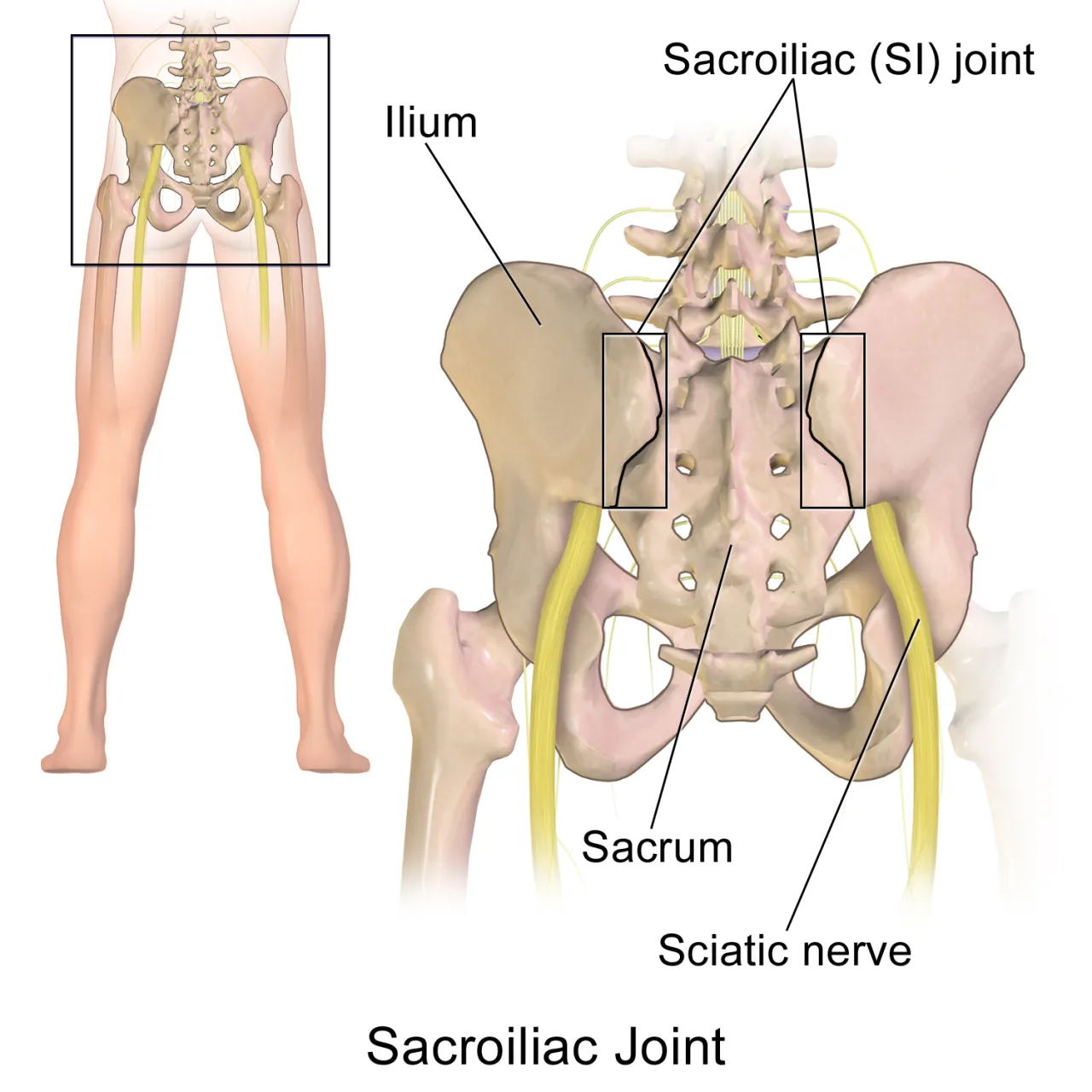
Often, people are led to believe that pain from the SIJ area is caused by hypermobility in the joint structures where e.g. the sacrum pops out of position and by doing so, causes muscles spasms, pinches nerves and ultimately limits movement. Worryingly, it is often healthcare professionals that convey such information; information that are primarily built on an outdated belief system about how the body works/moves and our ability as healthcare providers to detect such movements.
Over the past decades, massive advances have been made within e.g. diagnostic imaging, surgical procedures and invasive treatment of peripheral nerves in and around the SIJ complex. Although advances within medical science should be applauded, attributing chronic non-specific SIJ pain to a single pathological finding or an alleged increase in joint movement must be considered a reductionistic approach at best. Reductionistic, as it neglects the complicated and multidimensional nature of SIJ pain (similar to any other chronic MSK condition) where e.g. unhelpful thought processes, pain-related movement behavior, and emotional factors all seem to weigh in on the problem.

Source: Wikipedia.
In this lecture, I will briefly describe what is known about movements in and around the SIJ and the shortcomings of commonly used clinical tests aimed at detecting such movement. The effects of what we do are equally as related to what we do and say as they are to what we don’t say and do. Therefore, the title of this short blog: If you can’t feel the movement dysfunction (which you probably cannot), don’t try and fix it. Equally, if you cannot identify a movement dysfunction (again, which you probably can’t), then do not let this be the overarching theme in your explanatory model. If we do, we are likely causing a bigger problem instead of solving it.
You can watch the lecture by Thorvaldur Palsson on SI-Joint Pain here: