6 TESTS TO DIAGNOSE CERVICAL RADICULOPATHY
A recent study by Sleijser-Koehorst supported that patients with a cervical radiculopathy report more arm pain than neck pain, and periscapular pain is often reported to be quite severe, dominant, and radiating down the entire arm, also including features like tingling and numb feeling.
If you want to learn more about this topic, you can watch Erik Thoomes's lecture here:
Here are 6 tests to strengthen the clinical value of the hypothesis you come up with during your history taking in order to diagnose Cervical Radiculopathy:
You can watch the clips taken from the lecture 'Cervical Radiculopathy' by Erik Thoomes to know how to perform each test.
1. Spurling test
2. Arm squeeze test
3. Traction/ distraction test
4. Upper limb neural tension tests
a) Median nerve bias
b) Radial nerve bias
c) Ulnar nerve bias
Giving the case that you have a positive cluster, you would need to strengthen your hypothesis and assess for level and severity.
Why? Well, as you know, if an encroached nerve root causes symptoms, there must be either a motor dysfunction or a sensory dysfunction, or both.
You can do that by using key muscle strength testing, sensibility testing and muscle reflex testing.
Assessing Key Muscle Strength
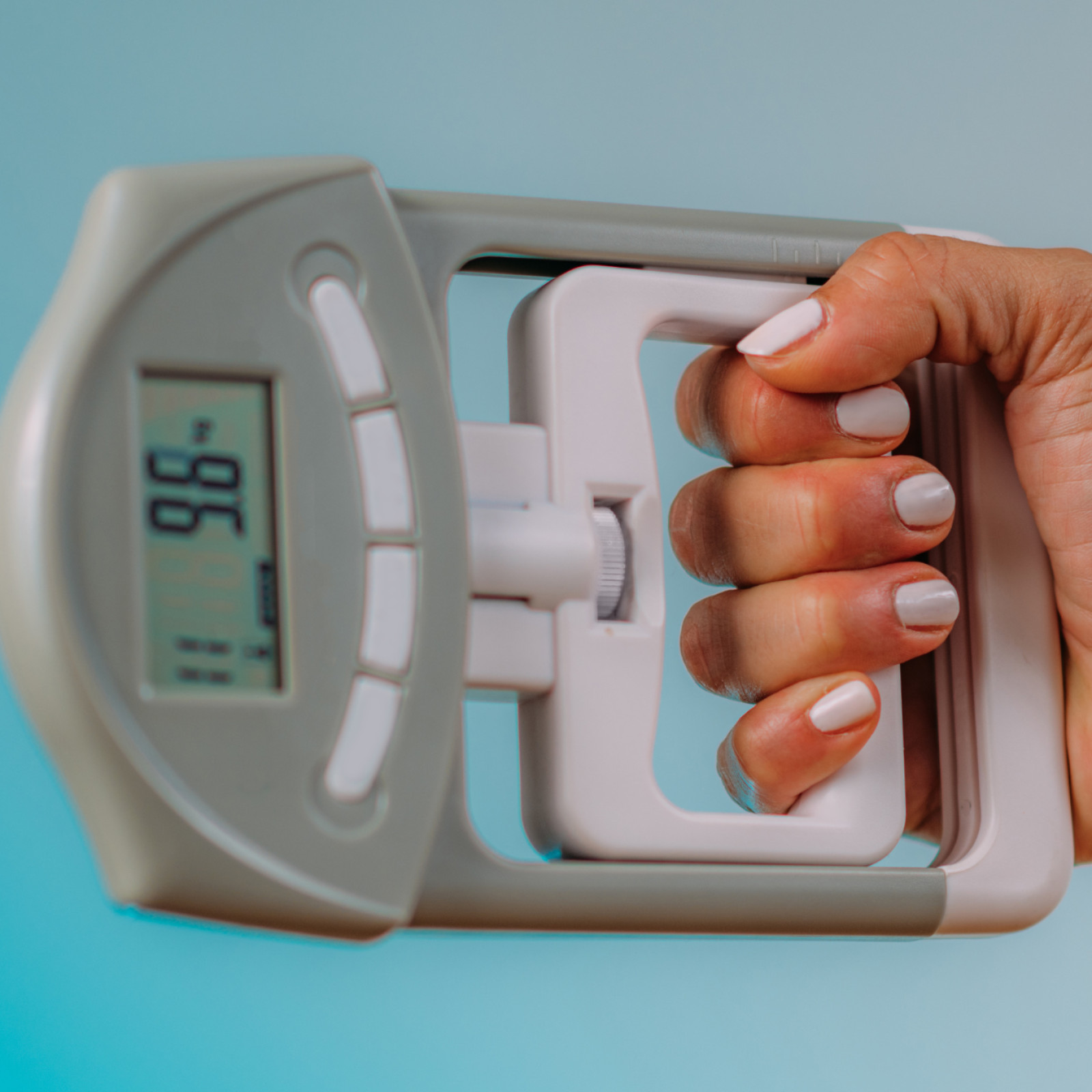
This is of the most relevant performance tests, as this will likely become a treatable parameter as symptoms subside and your patient recovers.
The best way to do it is, of course, with objectifiable measurement instruments such as a dynamometer.
Which are the recommended key muscles to assess?
-
C6: Biceps, Extensor Carpi Radialis
-
C7: Triceps, Flexor Carpi Radialis, Oponens Pollicis
-
C8: Adductor Pollicis, Abductor Digiti Minimi
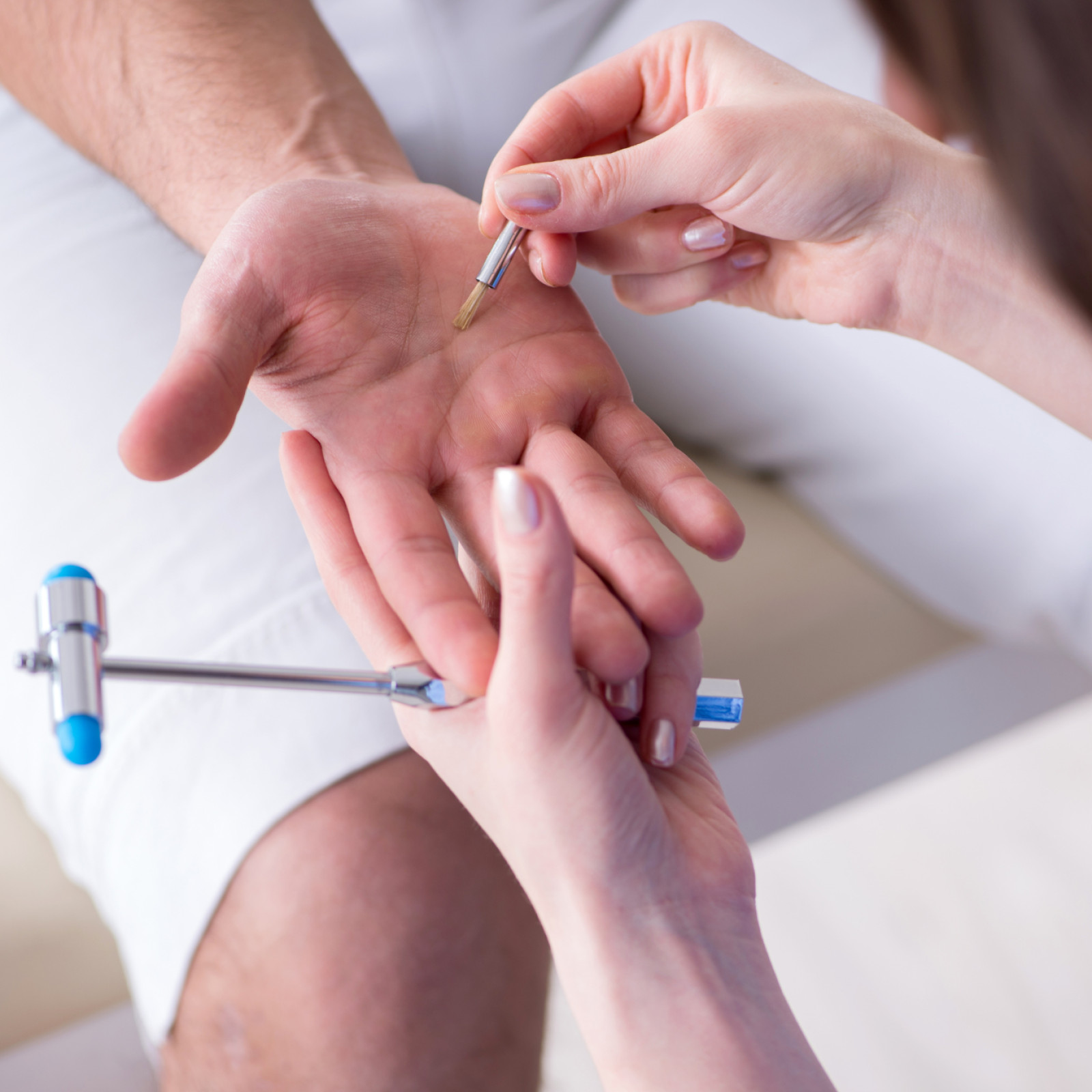
Assessing Sensibility
Even though it is not really a treatable parameter, like muscle strength, it is also important as it can add additional information to support your diagnosis and strengthen your hypothesis.
As same as muscle strength testing, this is also best done using objectifiable measurement instruments such as Von Frey filaments or Monofilaments.
You can assess for:
- Sharp-dull discrimination
- Two point-discrimination
Assessing Muscle Reflex
This may be the most difficult of the three, because both executing and interpreting the outcome is not the easiest thing to do.
The relevant muscle tendon you would assess are:
- Triceps: C6 – C7 – C8
- Biceps: C5 – C6

If you want to learn more about this topic, you can watch Erik Thoomes's lecture here:
Sources:
1. Lecture ‘Cervical radiculopathy’ by Erik Thoomes